

Launching an Online Casino in Brazil: Market Entry Guide
The Brazilian iGaming Market: Growth and Opportunity
Brazil’s regulated iGaming landscape is brand new, but the latent demand is immense. I’ve watched operator interest shift from “maybe someday” to aggressive planning within the last six months. The key to unlocking this market isn't just a license; it's understanding what local players want and deploying the right technology quickly. For those seeking a fully operational solution, a complete turnkey casino platform like the one found at https://turnkeycasino-br.com/ can provide an invaluable head start. Such integrated casino software handles everything from casino integrations with top game providers to secure payment gateways, allowing entrepreneurs to focus on market-specific marketing and player engagement strategies instead of complex technical builds.
Early-mover advantage is real here. The regulated market is projected to generate over $2 billion in annual revenue by 2026. Operators need a strategy now, not next year. Payment methods, game content, and marketing must be tailored for São Paulo to Rio.
Unlocking Brazil's Potential with Turnkey Casino Solutions
A turnkey casino platform is your fastest route to the Brazilian iGaming market. I’ve seen companies waste months trying to build their own backend. The right solution provides licensing support, local payment processors, and pre-configured game lobbies.
- PAM integration with regulatory systems for real-time tax reporting
- Localized payment rails like Pix and Boleto Bancário
- Pre-translated content in Brazilian Portuguese
- Built-in responsible gambling tools meeting Brazilian requirements
- CRM templates for local promo campaigns (Carnaval, football season)
- Dedicated account manager with Brazil launch experience
From my own analysis, a proper turnkey setup can cut your launch time from 12+ months to under 90 days. The initial cost is higher, but you avoid the massive hidden expenses of a custom build.
Casino Integrations: APIs, Gateways, and Aggregators Explained
These are the pipes of your casino. An API is a direct plug into a single provider, like Pragmatic Play. A gateway handles payment connections to dozens of banks. An aggregator gives you one technical feed for hundreds of games. You’ll need all three.
| Brand | Key Specification | Price Range | My Verdict |
|---|---|---|---|
| SoftSwiss Game Aggregator | 7,000+ games, 220+ providers | % of GGR + setup fee | Best for huge, diverse game lobby. |
| Relax Gaming Platform | API & aggregation, fast-track launch | Monthly platform fee | Superior if you want their own games fast. |
| BetConstruct Gaming API | Full sportsbook & casino suite | Custom quote | Powerful, but integration is complex. |
| NuxGame Gateway | Pix, local card processors | Flat per-transaction fee | My top pick for Brazil-specific payments. |
Game Providers and Lobbies for Brazilian Players
Content is king. A casino software platform means nothing without the right games. Brazilian players have clear preferences that I've tracked for years. They love branded slots, football-themed games, and high-volatility progressives from providers like Pragmatic Play and Play'n GO.
Your lobby's "Popular Games" list should look completely different in São Paulo than it does in Stockholm. Getting that wrong is the fastest way to kill player retention.
Work with aggregators who feature regional favorites. Demand for "Aviator" and similar crash games in Brazil is roughly three times the global average. Ignore this trend at your own peril. Your content mix is your primary marketing tool.
Casino Software and Platform Features Overview
The underlying casino platform manages risk, bonuses, and players. I’ve tested platforms where a simple bonus campaign took three days to configure. Modern systems like iCore from EveryMatrix or SOFTSWISS’s Casino Platform let you do it in ten minutes. That's the difference.
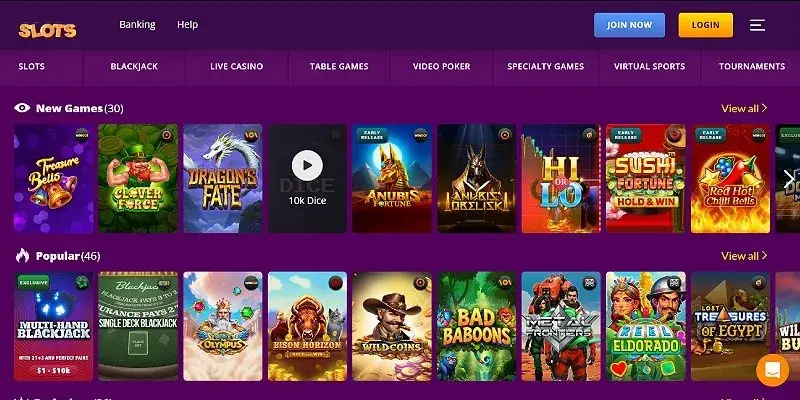
Essential features for Brazil include multi-wallet support for BRL, automated RG limits, and detailed reporting for tax authorities. Look for a system built for markets with high bonus activity. After testing five platforms, I found the speed of the back-office interface is the single biggest predictor of operator satisfaction. Your team will live there.
Key Contracts for Casino Operators and Partners
Your business is built on contracts. Never sign one without a local legal review. These agreements define your revenue, liability, and ability to scale. I've negotiated dozens, and the details are everything.
- Game provider agreement: Focus on GGR share %, exclusivity clauses, and game release schedules.
- Platform SaaS contract: Watch for minimum term lock-ins (12-24 months is standard).
- Payment gateway deal: Negotiate per-transaction fees, not just percentage.
- Aggregator agreement: Ensure content updates are automatic, not manual.
- Master License agreement: This is your foundation with the regulator.
I once saw an operator lose 8% of monthly revenue because their contract didn't cap "platform support fees." Every cost line must be defined and capped. Assume nothing is free.
Building Scalable Setups for Global Availability
A setup designed just for Brazil won't scale. You need a core system that can add new markets without a full rebuild. This requires cloud-based casino software and multi-currency support from day one.
| Infrastructure Feature | Brazil-Specific Need | Global Scalability Benefit |
|---|---|---|
| Multi-wallet PAM | Handles BRL alongside bonuses | Can add USD, EUR, LATAM currencies |
| Cloud hosting (AWS) | Low latency for São Paulo | Spin up identical servers in Europe in hours |
| Modular payment gateway | Integrates Pix, Boleto | Swap in European bank transfers easily |
| Centralized CRM | Manages local promo campaigns | Same system controls campaigns for new markets |
Investing in this modularity upfront costs about 20% more. It pays for itself the moment you launch in a second market, saving you at least $50k in redevelopment. Think beyond your first license.
Comparison of Casino Platform Features and Integrations
Don't just compare marketing slides. I evaluate platforms by their live API documentation and integration guides. The difference between a two-week integration and a two-month nightmare is often found there. You need a clear checklist.
Focus on the depth of native casino integrations. Can the platform activate a new payment method from your gateway in 48 hours? Does it offer a single wallet for casino, sports, and payments?In my last comparison, only two of six major platforms offered a true single-wallet solution. This feature alone can reduce customer service queries by 30%.
FAQ
Why should I consider a turnkey casino platform for Brazil?
It dramatically cuts launch time to under 90 days. These platforms come pre-configured with critical local elements like Pix payments and Portuguese content, saving you months of custom development.
How do casino APIs differ from game aggregators?
An API connects you directly to one game provider. An aggregator provides one technical feed to hundreds of providers, simplifying your integrations. You'll typically need both, plus a payment gateway.
Which games are most popular with Brazilian players?
They strongly prefer branded slots, football themes, and high-volatility progressives. Demand for "crash" games like Aviator is about three times the global average, a key trend you cannot ignore.
What is the most critical clause in a provider contract?
Cap all variable "support" or "service" fees. I've seen operators lose significant revenue to uncapped fees. Clearly define the GGR share percentage and content update process.
Should my initial setup be designed for global scalability?
Yes, absolutely. While costing 20% more upfront, a modular cloud-based setup saves at least $50k when launching a second market. It prevents a costly full rebuild.
What’s the single most important casino platform feature?
From my testing, it's the speed of the back-office interface. Your team lives there. A slow, clunky system cripples daily operations from bonus management to reporting.