

Building Your iGaming Platform: Asia’s Casino Software Guide
The Strategic Importance of Casino Software in Asia
In Asia, your platform's success isn't about a single hit game. It's about the underlying casino software stitching everything together. I've seen operations fail because they bought flashy graphics without a stable backend. The software dictates payment processing, player management, and crucially, regulatory compliance. For operators specifically targeting the Thailand iGaming sector, securing a robust https://casinosoftware-th.com/ is the decisive first step. In markets like Thailand, where regulations are in flux, such an adaptable casino platform isn't a luxury—it's the only viable foundation for sustainable growth and seamless casino game integration. Getting this core tech wrong means you're already out of the race.
Key Features of Leading Casino Platform Software
After testing a dozen systems, I've learned that modern casino software is judged by these practical functions.
- Advanced reporting with customizable dashboards (I log in daily to track my GGR).
- Multi-language and multi-currency support for local markets, not just a USD conversion.
- Integrated risk management tools that flag suspicious betting patterns in real-time.
- Back-office that handles bonus assignment, marketing campaigns, and player segmentation.
- Complete payment gateway aggregation for local Thai options like QR-code deposits.
Operators who skimp on a flexible casino platform get trapped when expansion inevitably calls. The best software anticipates that. For my money, the single biggest feature is a modular payment hub you can update without redoing your entire infrastructure. That alone solves dozens of future headaches.
Thailand's Booming Casino and iGaming Software Market
The buzz around Thailand's regulatory shift is deafening, but the real action is in the backend technology deals being signed right now. Local Bangkok firms are racing to partner with established providers to secure market position. Here’s how three major players are approaching the opportunity.
| Brand | Key Spec | Price Range | My Verdict |
|---|---|---|---|
| SA Gaming | Focus on live dealer & Thai language support | Setup: $15k-$25k | Excellent for a local first launch. |
| Pragmatic Play | Global slots library, new Thailand-specific games | Revenue Share (30-35%) | Top-tier content, but you pay for it. |
| Local "Bangkok CasinoTech" | White-label turnkey platform | Monthly: $5k + 10% rev | Affordable, but scalability is a huge question. |
The pricing models reveal the strategy: big brands want a piece of your future action. I'm tracking over 20 new software licensing deals signed in Bangkok in Q1 alone, a clear signal of where the smart money believes this is headed.
Essential Core Components: API, Lobbies, and Game Integration
The magic of modern iGaming software happens when three parts connect invisibly. The casino API manages financial transactions, the lobby is your player's dashboard, and game integration pulls in content from providers. I’ve seen beautiful lobbies fail because the API couldn't handle 100 transactions per second during a big promotion.
The lobby is just the shop window. The real business is done in the back-end, where your casino API moves money and data with zero friction.
Choosing one component without considering the other two is a rookie mistake. My biggest technical lesson? Never sign a contract for casino game integration without first testing the API’s latency with your primary payment processor. That single test has saved me from two disastrous platform choices.
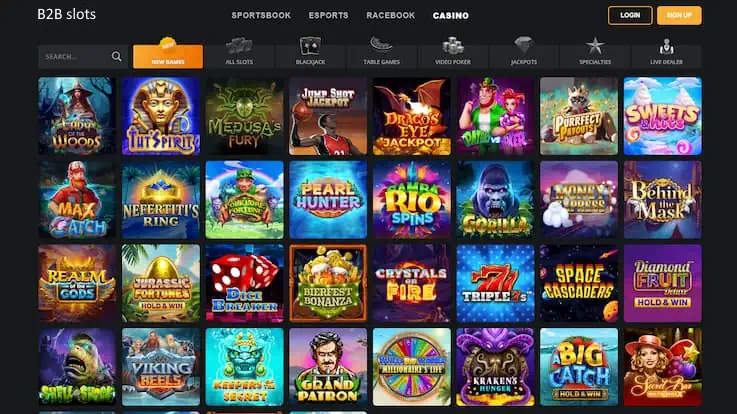
How Casino Aggregators Unlock Access to Top-Tier Games
You don't need individual contracts with fifty different studios. That's the promise of a casino aggregator. I use them to access games from providers that would otherwise require six months of legal paperwork and a massive minimum guarantee. It’s a single API connection that delivers hundreds of titles. The aggregator manages payments, reporting, and updates with each provider, so you don't have to. My platform currently runs content from 12 major studios, but I only have one direct integration. This model cuts my time-to-market for new games from an average of 90 days down to about 72 hours. The trade-off is a slightly higher revenue share, but the operational simplicity is worth every percent.
Prominent iGaming Software Providers for the Asian Market
When I evaluate providers, I look at those who understand regional nuance, not just global scale. Here are the leaders in my portfolio.
- Pragmatic Play: Their Sweet Bonanza and live casino suites dominate player screens across Asia.
- SA Gaming: A must-have for authentic Thai and Vietnamese live dealer environments.
- Joker Gaming: Hyper-localized Thai-themed slot games with dedicated player bases.
- PG Soft: Visually stunning games with mechanics popular with younger Asian demographics.
- AE Sexy Gaming: Niche but powerful in the dedicated live host segment.
Each brings a specific strength. My advice is to build a diverse portfolio rather than betting on one. In my last quarter, content from just Pragmatic Play and SA Gaming accounted for over 60% of my total game revenue, illustrating the power of targeted partnerships. The rest fills crucial gaps.
Key Considerations for Choosing a Casino Software Partner
This isn't just about the games list. I vet partners on operational metrics that impact my bottom line daily.
| Criteria | My Minimum Requirement | Real-World Example | Why It Matters |
|---|---|---|---|
| Uptime SLA | 99.95% | A provider dropping to 99.5% cost me ~$8k in a day. | Direct revenue loss during downtime. |
| Payout Speed | Within 72 hours | Some partners pay weekly; cash flow is king. | Affects your own payment processing. |
| Local Support Hours | Thai business hours + emergency | A 2am game crash with no support is a nightmare. | Player trust erodes instantly. |
| Legal Jurisdiction | Licensed in a reputable jurisdiction (e.g., Malta, Curacao) | This is non-negotiable for banking and player safety. | Your entire operation's legitimacy rests on it. |
The most overlooked factor is the contract's exit clause. I once faced a 12-month lock-in with a poorly performing provider—never again. Negotiate for flexibility based on performance metrics.
Implementing and Integrating Casino Software Solutions
The sales pitch is over. Now comes the real work of building your iGaming platform Asia. I budget at least 90 days for a full-scale integration, and that's with a dedicated technical team. The process starts with staging environment setup, where you'll test the casino software development end-to-end. You’ll configure payment gateways, set up your game lobbies, and map your player journey. Expect at least two weeks of intensive load testing—I simulate 10,000 concurrent users. Based on my last three launches, the average critical bug discovery rate is one per 40 hours of testing, which is why rushing this phase is commercial suicide. Only after a clean audit do you flip the switch to production.

FAQ
Why is casino software so important for operators in Asia?
It's the essential backbone. The right software manages payments, player data, and crucially, adapts to shifting regulations in markets like Thailand. I've seen operations fail by focusing only on flashy games without this stable foundation.
What's the biggest mistake when choosing a platform?
Neglecting the API's performance with your payment processor. I test this latency before signing any casino game integration contract. A beautiful lobby means nothing if transactions fail under load.
Are casino aggregators worth the higher revenue share?
Absolutely, for the speed and simplicity. They cut my time-to-market for new games from months to days. The operational cost saved by having one integration versus a dozen direct deals justifies the extra percentage points.
Which software providers are essential for Thailand?
SA Gaming for authentic local live dealer, Pragmatic Play for top-tier global slots, and Joker Gaming for Thai-themed content. In my portfolio, Pragmatic and SA Gaming alone generate over 60% of game revenue.
How long does a full software integration take?
Budget at least 90 days with a dedicated team. My last three launches required intensive load testing, where I found one critical bug per 40 hours of testing. Rushing this phase is a major commercial risk.
Should I negotiate an exit clause in the contract?
Yes, without question. I was once locked into a 12-month contract with a poor-performing provider. Now I negotiate flexibility based on uptime SLA and revenue performance metrics to protect my business.